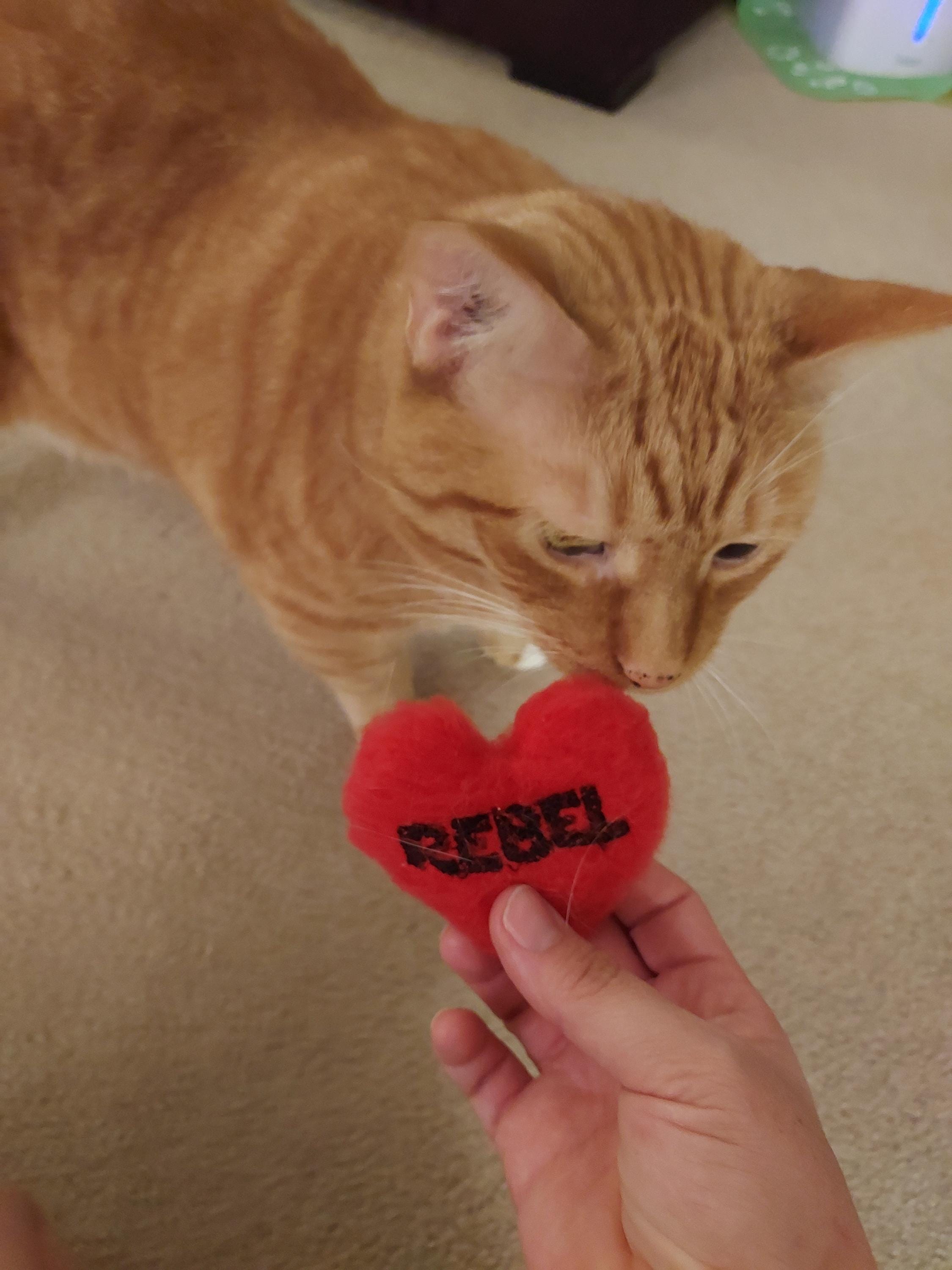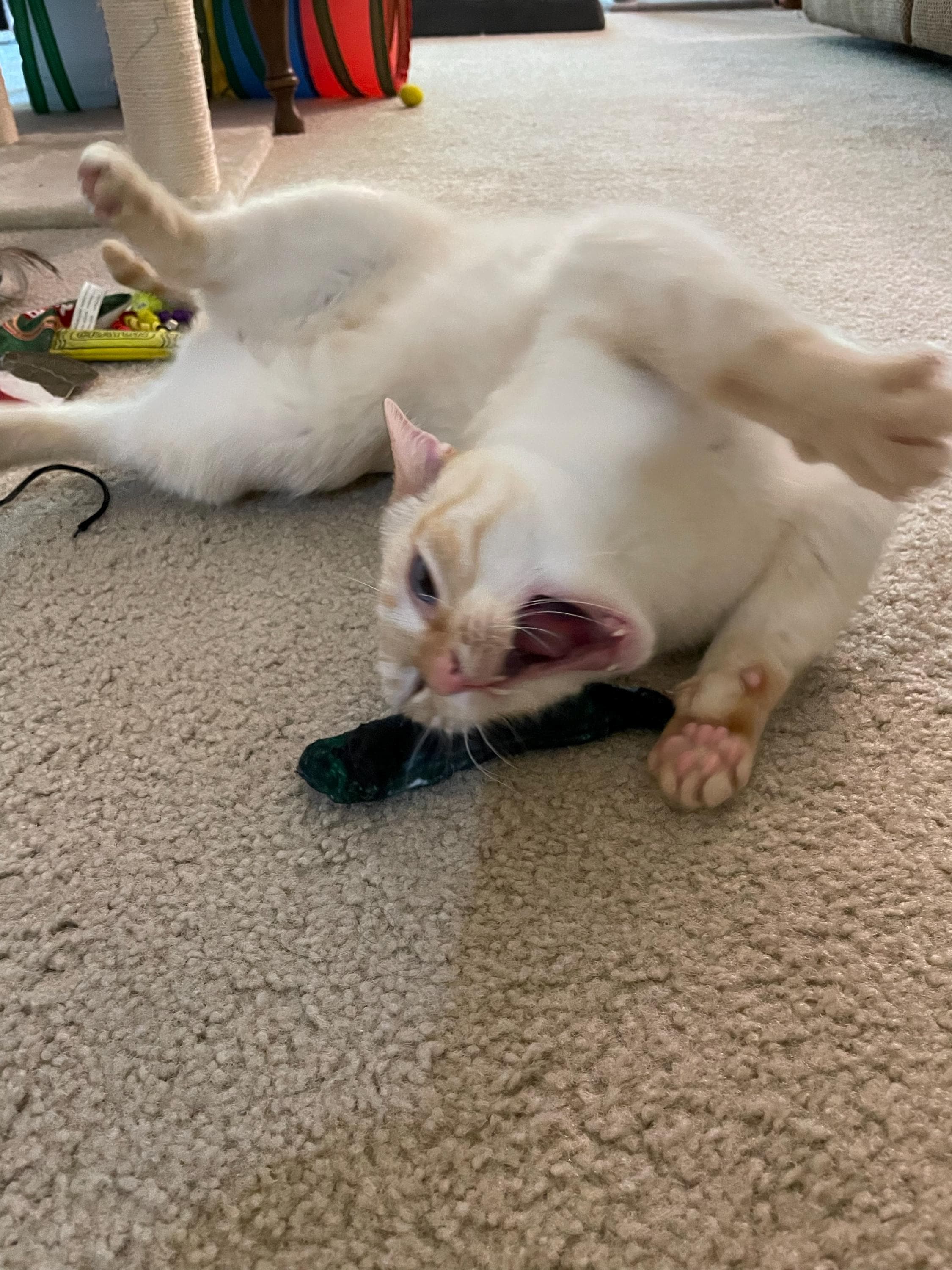
You bought the toy. The expensive one. The one with the good reviews and the cute name and the little feathers that are supposed to drive cats wild. Your cat sniffed it once. Walked away. Knocked over a sock instead. Welcome to one of the most frustrating moments of cat ownership, right behind "why is there vomit specifically on the rug." And before you take it personally or start wondering if you got a defective cat, let me tell you what's actually happening.
It's not about the toy. It's about the brain behind it.
Cats aren't dogs. They're not going to chase something just because you bought it for them. They're predators with very specific opinions about what counts as prey, and most mass-produced toys fail the prey test in ways we don't even notice. Here's what your cat is actually evaluating when you toss them something new: The smell. Factory-fresh toys reek of plastic, dye runoff, machine oil, and the cardboard box they shipped in. To your cat, that's not "exciting new thing." That's "weird object covered in chemicals." Cats lead with their nose, and if the first thing they smell is a warehouse, they're out. The texture. Cats are tactile in ways most people don't think about. They want to bite, knead, bunny-kick, and drag. A toy that's too hard, too slick, or too perfectly symmetrical doesn't feel like prey. It feels like a thing. Real prey has give. Real prey has fuzz that comes off when you're rough with it. Real prey has weight distribution that wobbles unpredictably. The sound. Some cats want crinkle. Some cats want silence. Some cats lose their minds for the soft thud of a heavy toy hitting the floor. The wrong sound can shut a play session down before it starts. The novelty problem. Here's the trick most people miss: your cat doesn't actually want a new toy every week. They want a rotated toy. Leave six toys in a basket all the time and your cat will ignore all of them. Put two out, hide the rest, swap them every few days, and suddenly the same toys that were "boring" last month are riveting again.
What actually works
Lead with scent. The best toys smell like something a cat already loves. Organic catnip, silvervine, valerian root. Real plant matter, not synthetic spray. If a toy doesn't have a scent hook, your cat has no reason to investigate it past the first sniff. Choose materials that match the way cats actually play. Soft enough to bite and bunny-kick without breaking teeth. Sturdy enough to hold up to claws over time. Heavy enough to wobble unpredictably when batted. Fleece, minky, felt, and dense fabric all hit those marks in different ways. Hard plastic and stiff synthetic shells don't. Cats want something with give, something that responds when they grab it. Mass-produced toys often skip that test entirely because rigid materials are cheaper to manufacture and look prettier on a shelf. Match the play style. A senior cat who naps 20 hours a day doesn't want the same toy as a one-year-old psychopath who climbs the curtains. Watch how your cat plays. Pouncer? Get them something that wobbles. Bunny-kicker? Get them something kicker-sized with weight. Stalker? Get them something that hides under furniture. The toy has to meet the behavior. Rotate, don't accumulate. Three or four toys out at a time. Swap weekly. Wash the catnip ones occasionally to refresh the scent. Your cat will think you brought home something new every time. Don't take rejection personally. Some cats just don't like certain things, and there's no fixing that. Around 30% of cats don't respond to catnip at all, which sends a lot of people into panic mode thinking their cat is broken. They're not broken. They might be a silvervine cat. Or a valerian cat. Or a "leave me alone with this cardboard box" cat. Pay attention to what works and lean into it.
The honest part
I make handmade toys for a living, and I will tell you flat out: even my best toys don't work for every cat. There's no magic toy. There's no universal answer. What there is, is paying attention to your specific cat, choosing materials and scents that actually engage their senses, and accepting that sometimes the sock wins. But if your cat keeps ignoring everything you bring home, the problem probably isn't them. It's the assembly line that made the toy. Mass-produced cat toys are designed to look good on a shelf. They're not designed for the cat. That's the gap handmade fills. Not because handmade is automatically better, but because someone made it with the cat in mind instead of the packaging. Try a rotation system this week. Pick two toys, put the rest away. See what happens. I bet your cat surprises you.